Functional neurology, also sometimes referred to as chiropractic neurology, is a cutting edge treatment approach combing standardized medical neurological testing with innovative and individualized treatments. Simply put, is a natural and holistic way of assessing a person’s brain and body, and then using therapeutic and non-invasive treatments.
There are many conditions that can be addressed by functional neurological care. Some include, but not limited to: post-concussion syndrome, many forms of vertigo and dizziness, migraine and other forms of head pain, dysautonomia, POTS, Parkinson’s Disease, ADHD, movement disorders such as tics and tremors, and many more.
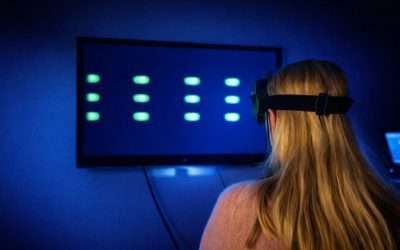
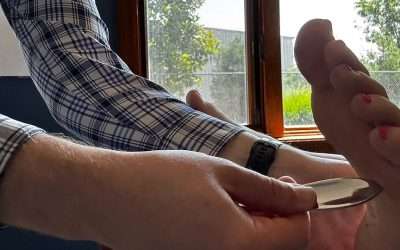
The start of any appropriate functional neurology treatment is an in-depth neurological exam. The goal of this exam is to analyze each patient’s nervous system from head to toe, so a better understanding can be had of the strengths and weakness of each individual patient’s brain. This is achieved through a battery of different testing methods, including but not limited to: Video Oculography (VOG/VNG), posturography, cognitive testing, and bedside neurological testing.
The practitioner is then able to consolidate all of this information and determine which networks and connections in your brain are functioning optimally, and which maybe functioning less than optimally. From here, an individualized treatment plan can be established in order to fix and rehabilitate these less than optimal networks and pathways.
There is no cookie cutter or protocol based approach in a functional neurology treatment plan. It is totally individualized and oriented towards the patients specific dysfunction, as well as their particular goals and symptoms. Furthermore, there are no invasive maneuvers performed. Every treatment you experience is safe, non-invasive, and evidence based.
The principal behind the success of functional neurology is that of neuroplasticity. Neuroplasticity basically means that the brain has the ability to adapt and change given the appropriate stimuli. This can both be a negative and a positive thing, as we can promote negative neuroplasticity through unhealthy lifestyles, trauma, and injury. Luckily, on the reverse side, we can promote positive neuroplasticity by implementing appropriate therapies, lifestyle, and practices.
While the brain has the ability to change, and can do so rather quickly, it needs repetition in order to achieve those permanent desired change. I will often give the example of a student learning to play the piano. You can imagine that if you were to sit down for three hours as a novice pianist, you could probably pick up on a few things, maybe the ability to sight read the music, and possibly even play the song “Jingle Bells” by the end of the day. But, if you were to neglect the piano for a month or two, chances are you’d forget everything you had learned. However, if you had practiced for that initial three hours and then practiced for just 15 minutes a day for the next month or two, chances are you’d retain what you learned and, more likely than not, have learned even more.
This is exactly how we structure our therapies. In the beginning, our therapies are rather intense and hands on. Then, after we’re able to make a significant positive change, we try to transition the exercises we performed in the office to you to do at home. Our goal for every patient is for them to become self-sufficient and never solely reliant on the practitioner. We believe healthcare is a collaborative effort, and the more a patient can be consistent with their therapies, typically the better their outcome.
Ultimately, once we’re able to consistently deliver appropriate stimuli to the brain, both with in-clinic and at-home therapies, we can create permanent changes and longterm symptomatic relief, improved quality of life, and optimized neural performance.
To learn more or to schedule your functional neurological exam, give us a call at (614)-706-2093 or check out our website at https://www.deltaneurohealth.com
– Joseph Coppus, DC, CFMP, DACNB