Parkinson’s Disease affects far more than movement—it impacts daily life, cognition, balance, and overall well-being. This blog explores the science behind Parkinson’s and how brain-based, neuroplasticity-focused care may help improve function, mobility, and quality of life through personalized neurological rehabilitation.
Beyond Diagnosis: Improving Life with Parkinson’s Through Brain-Based Care By Dr. Carly Carafa, DC
Understanding Parkinson’s Disease
According to the National Institutes of Health, Parkinson’s Disease (PD) is the most common neurodegenerative movement disorder. The more common symptoms of Parkinson’s, including rigidity, resting tremor, and slowness of movement (bradykinesia) affects up to 10 million people worldwide, or 1% of the population of people over 60. Non-motor symptoms can include psychosis, depression, sleep disturbances, anxiety, cognitive decline, and pain.
What Happens in the Brain?
How does Parkinson’s occur? The major contributing factor to the disease is accumulation of ɑ-synuclein in the brain along with decreased dopamine cells. Alpha-synuclein is a protein expressed in brain neurons, primarily at areas that traffic synaptic plasticity. When alpha-synuclein misfolds and clumps together, it becomes Lewy bodies in brain cells, a hallmark of Parkinson’s disease. We can define synaptic plasticity as the brain’s ability to strengthen or weaken connections between neurons based on how often we use those connections. The brain can reorganize its connections to create new patterns constantly as long as we continue to use it. This can help us build skills and promote well-being. If we are not using it enough, negative patterns can be formed, such as chronic stress, addiction, or pain. Therefore, keeping our brains engaged in lots of physical and mental activities daily helps us live a healthier, more preventative life.
The Role of Dopamine
Not only does dopamine play a role in our reward and cognitive system, dopamine also is essential for coordinating smooth, voluntary muscle movement. Dopamine is highly concentrated in an area of the brain called the substantia nigra, a part of the midbrain.
This can be referred to as the nigrostriatal pathway, where dopamine projects to the dorsal striatum, where these dopaminergic neurons play a central role in initiating and regulating voluntary movements. When these dopaminergic neurons die off, there is a significant decrease in dopamine levels, causing motor symptoms of Parkinson’s. These motor symptoms include tremors, rigidity, and bradykinesia. Unfortunately, by the time of a patients’ diagnosis of Parkinson’s, they have already lost about 70% of their substantia nigra dopaminergic cells.
What Causes Parkinson’s?
While the exact cause for most cases is unknown, it is believed to be a combination of genetic mutations, environmental factors, and accelerated cellular aging. Specific genetic mutations, such as the SCNA gene, increases risk. Long-term exposure to pesticides, herbicides, and other toxins has been linked to higher risk. Dr. Joe Coppus, the owner of our clinic, Delta Neuro Health, wrote an article about the “Parkinson’s Belt”, which highlights how the Midwest and parts of the South have a combination of environmental factors that could lead to Parkinson’s. You can check it out here.
Other factors, including head injuries, chronic inflammation, and aging are considered potential contributors.
How Functional Neurology Can Help
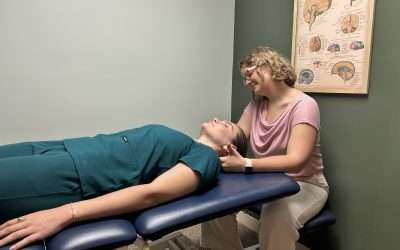
Though there is no known way to prevent Parkinson’s disease, Functional Neurology and alternative approaches can help manage the disease. Through utilization of neuroplasticity to strengthen our brain pathways, we can aim to improve balance, gait, motor control, and cognitive function.
How Functional Neurology Helps with Parkinson’s Disease:
- Neuroplasticity-Based Rehabilitation: Exercises are tailored to stimulate specific, underactive brain regions, helping to rebuild neural connections and improve brain endurance.
- Targeted Exercises: We use personalized programs focusing on balance, gait mechanics, and fine motor skills to mitigate tremors and rigidity.
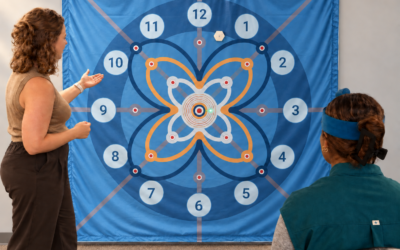
- Vestibular and Visual Therapy: Techniques such as oculomotor (eye) training and vestibular rehab help improve spatial awareness, reduce dizziness, and enhance coordination.
- Proprioceptive Stimulation: Sensory stimulation, including tactile and electrical modalities, helps improve motor control.
- Complementary Approach: These therapies can be combined with functional medicine, which addresses potential lifestyle factors such as gut health, nutrition, and environmental toxins.
Cross crawl exercises, which involve moving limbs across the body’s midline, can help reduce gait issues and improve mobility. Being involved in sports that emphasize cross crawl patterns, such as swimming, boxing, qigong, and rock climbing are great examples. Dr. Coppus has a podcast discussing the program Up ENDing Parkinson’s, a Parkinson’s climbing group with supportive research. You can check out the podcast here.
A Path Forward
In conclusion, Parkinson’s disease is a complex disorder driven by dopamine loss, alpha-synuclein buildup, and a mix of genetic and environmental factors. Although there is no cure, the brain’s ability to adapt through neuroplasticity offers a promising path for managing symptoms. With targeted therapies and consistent mental and physical engagement, individuals can improve function, maintain independence, and enhance their overall quality of life.
Interested in an assessment or a free phone consultation?
Call us at 614-706-2093 or visit www.deltaneurohealth.com to schedule a consultation.